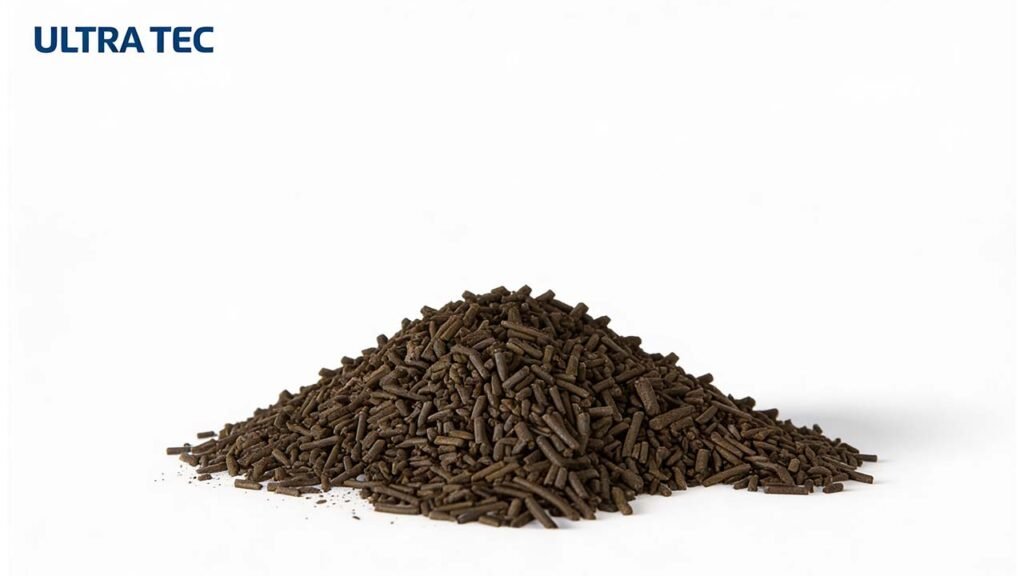
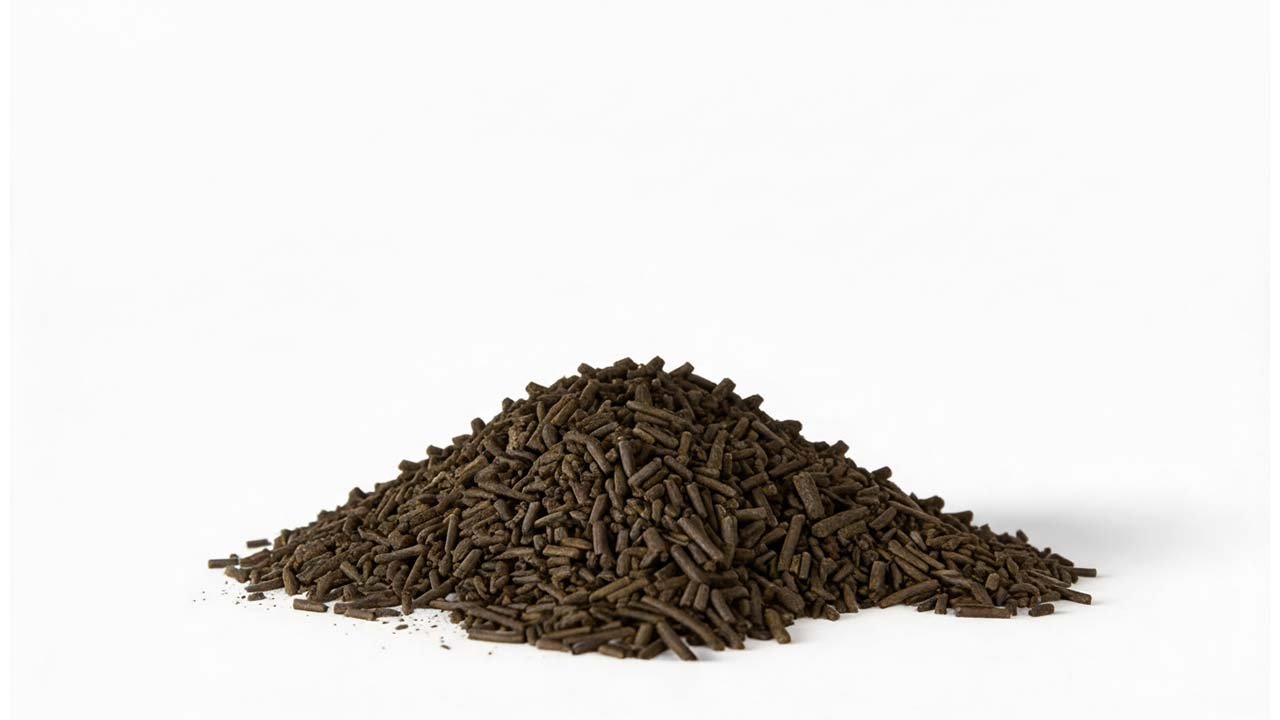
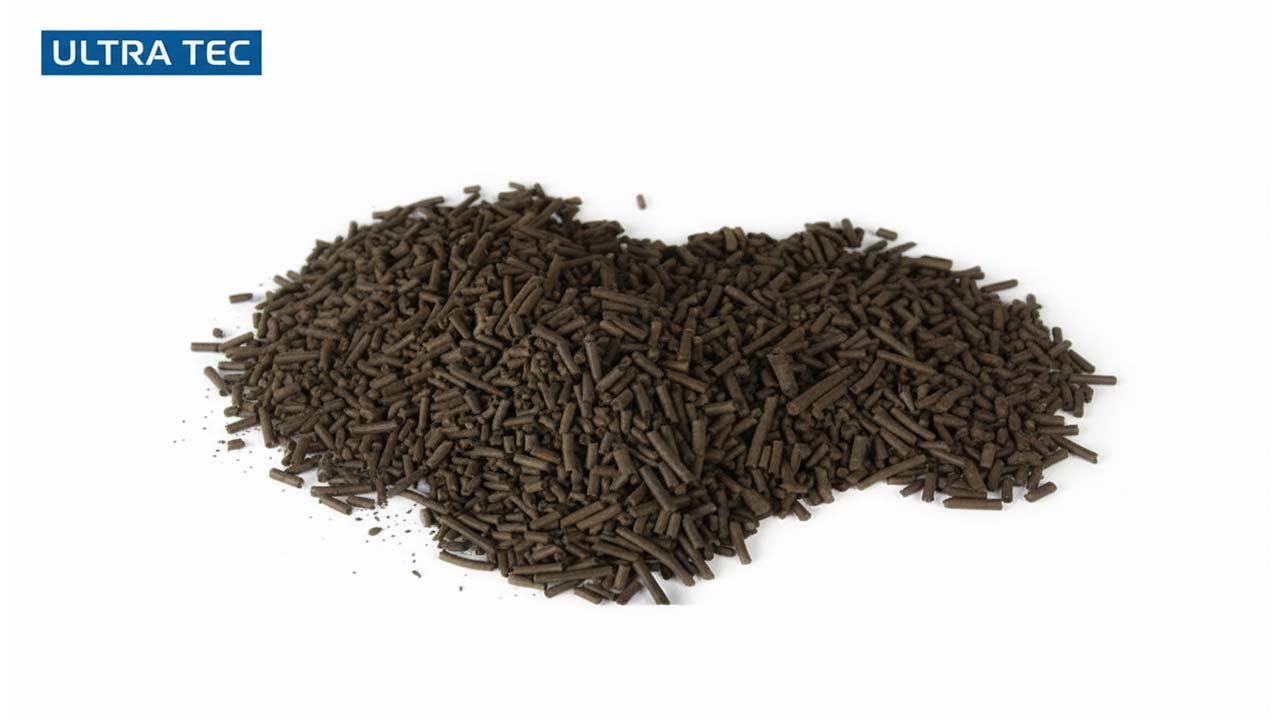
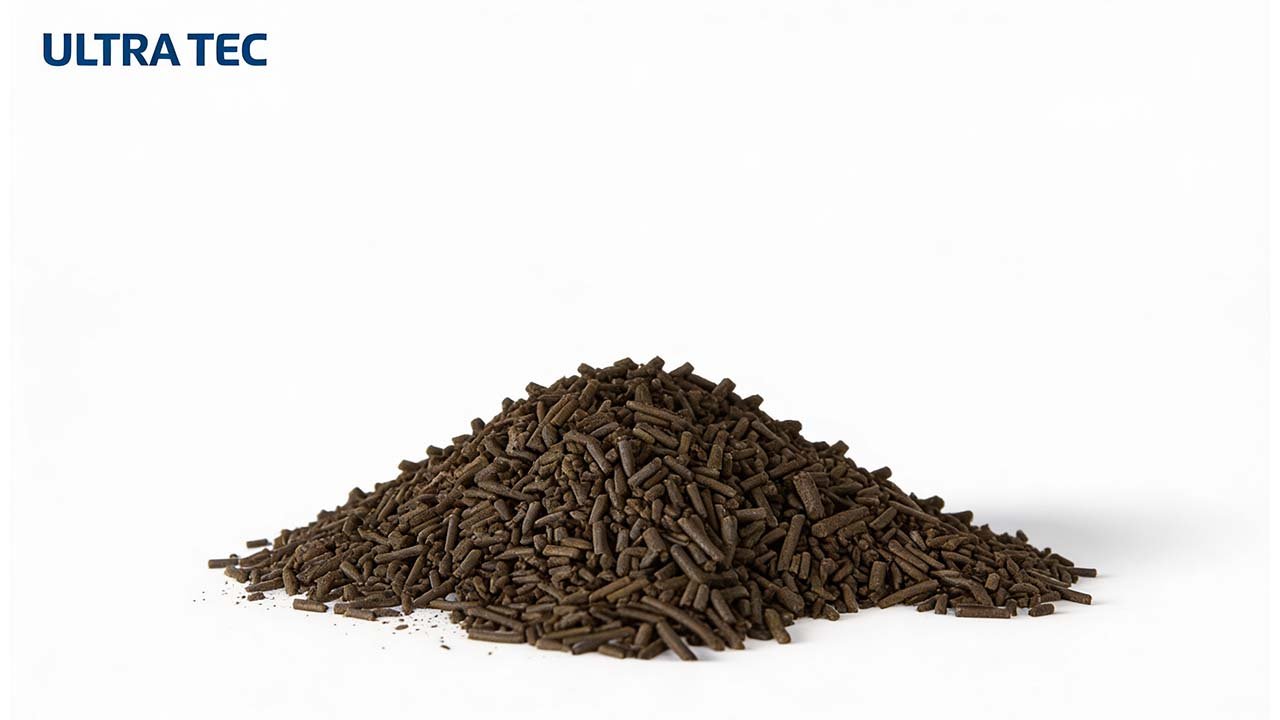
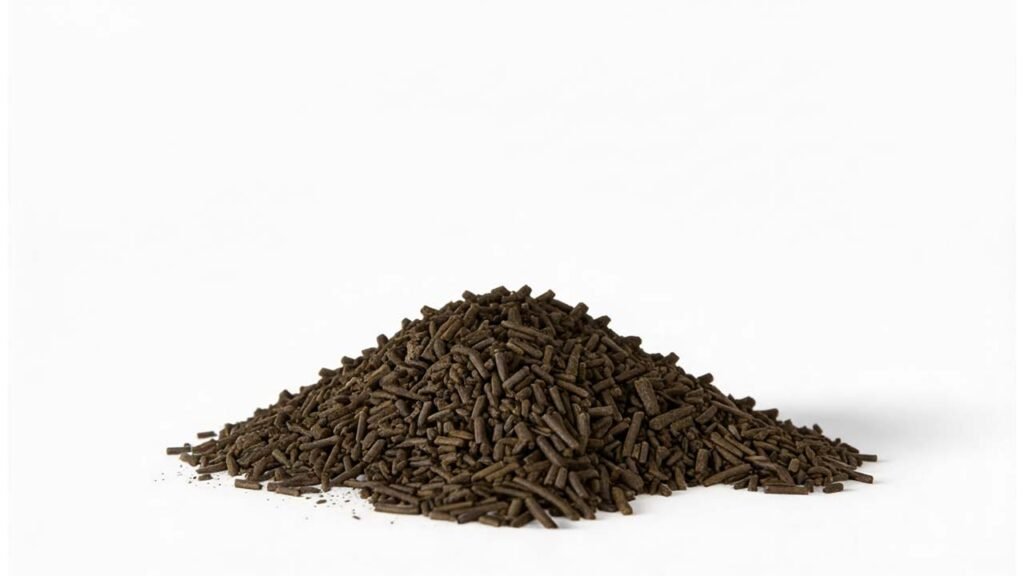
Activated carbon is a highly porous filtration media used to remove contaminants from water and air through chemical adsorption. Its large internal surface area traps unwanted compounds such as chlorine, organic chemicals, odors, colors, and volatile substances. This makes it an essential purification component in residential, commercial, and industrial treatment systems.
Activated carbon is used where raw water contains chemical impurities, taste or odor issues, or requires reduction of organic pollutants before downstream processes such as reverse osmosis, softening, or disinfection.
Activated carbon works through adsorption, not absorption. Pollutant molecules are drawn into the microscopic pore structure and held on the carbon surface.
Two main types are commonly used:
The media’s effectiveness depends on contact time, surface area, and pore volume. Systems are configured to provide adequate exposure to achieve targeted removal levels.
Activated carbon can be integrated into systems in several forms:
GAC filtration beds inside FRP or steel vessels
Inline carbon cartridges
Carbon block filters
Pre-treatment stage for RO systems
Dechlorination reactors before membranes or ion-exchange units
Typical removal capabilities include:
Chlorine
Chloramines
VOCs and organic compounds
Oils and chemicals
Odors and taste-causing substances
Pesticides and herbicides
Pretreatment considerations:
Sediment filtration to prevent clogging
Controlled flow rates for optimal contact time
Regular backwashing for media longevity (in tank-based systems)
Chlorine measurement to confirm effectiveness
Activated carbon is typically installed upstream of RO membranes, softeners, or disinfection systems.