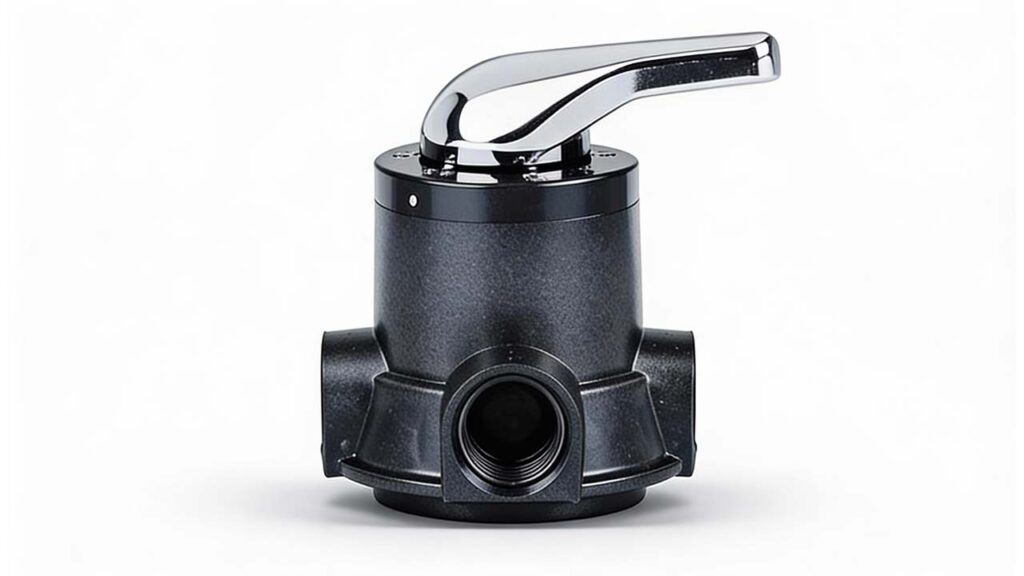
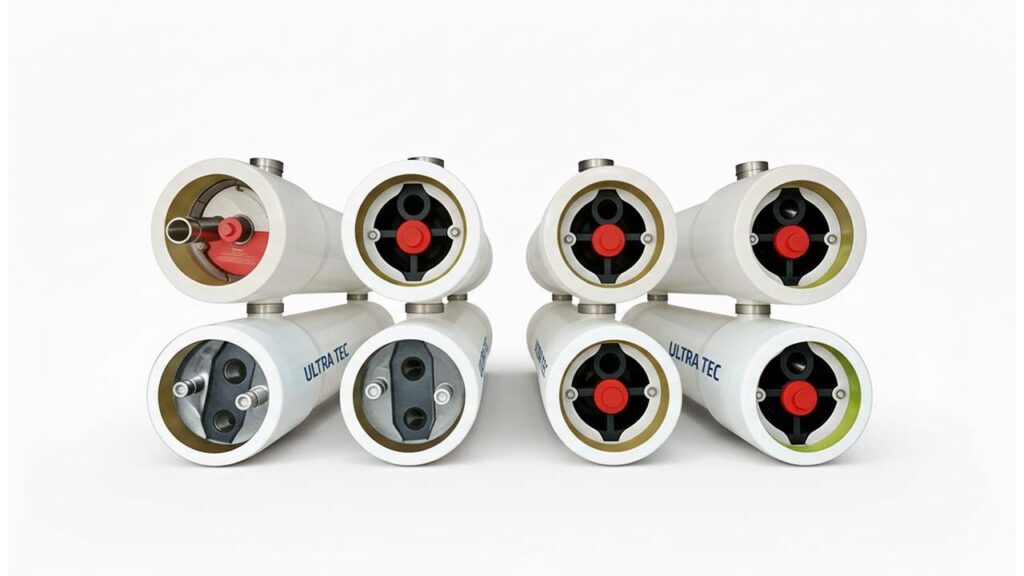
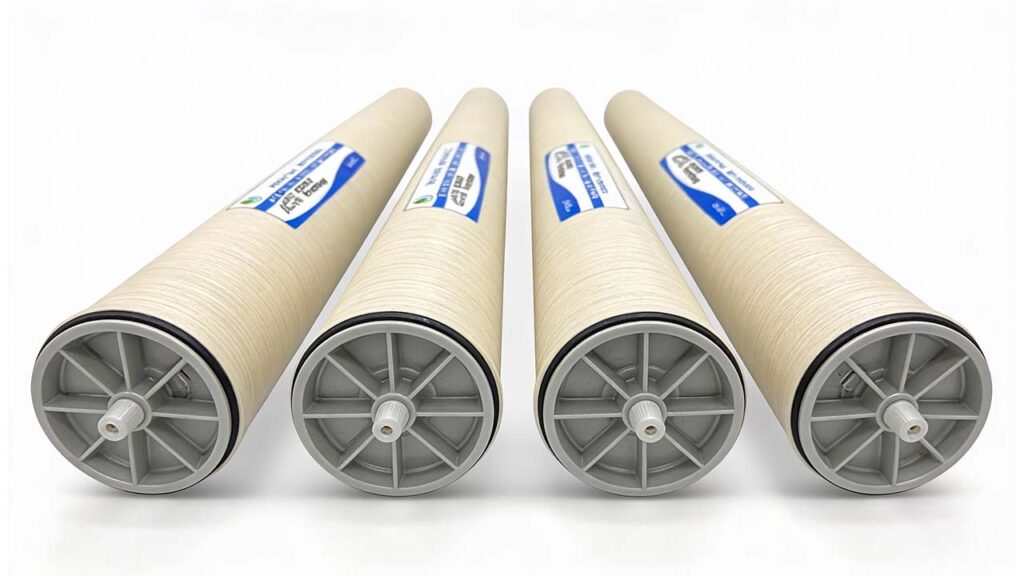
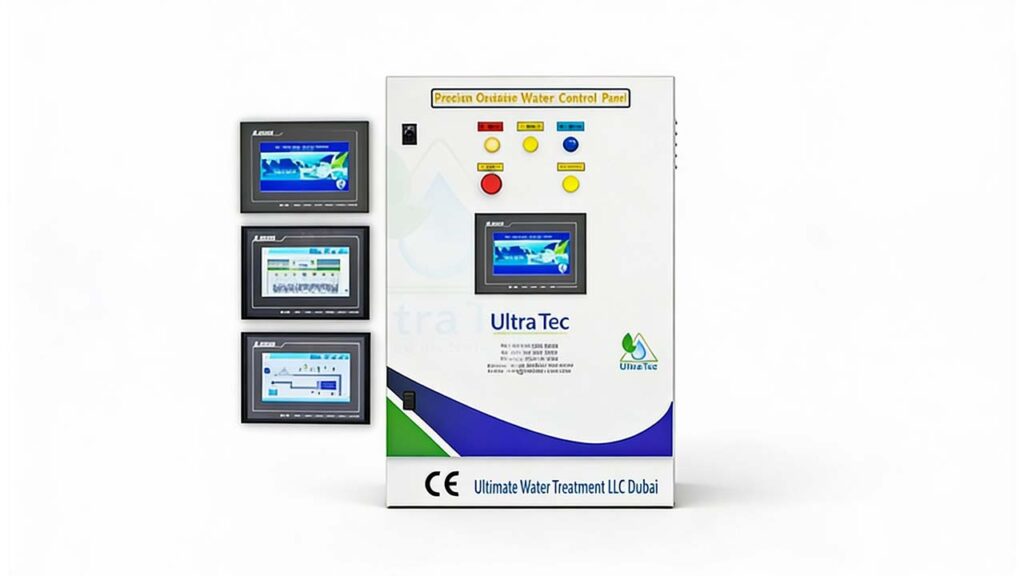
Water treatment media and chemicals play an important role in maintaining filtration performance and protecting treatment systems. These materials help remove contaminants, control scaling, soften water, and improve the efficiency of filtration and reverse osmosis systems.
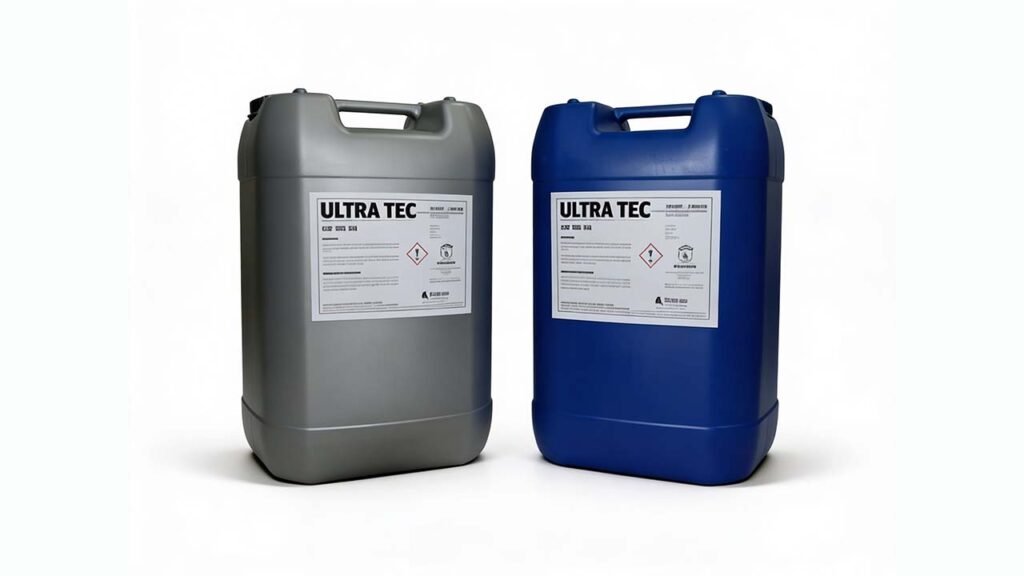
Anti Scalant Chemicals USA
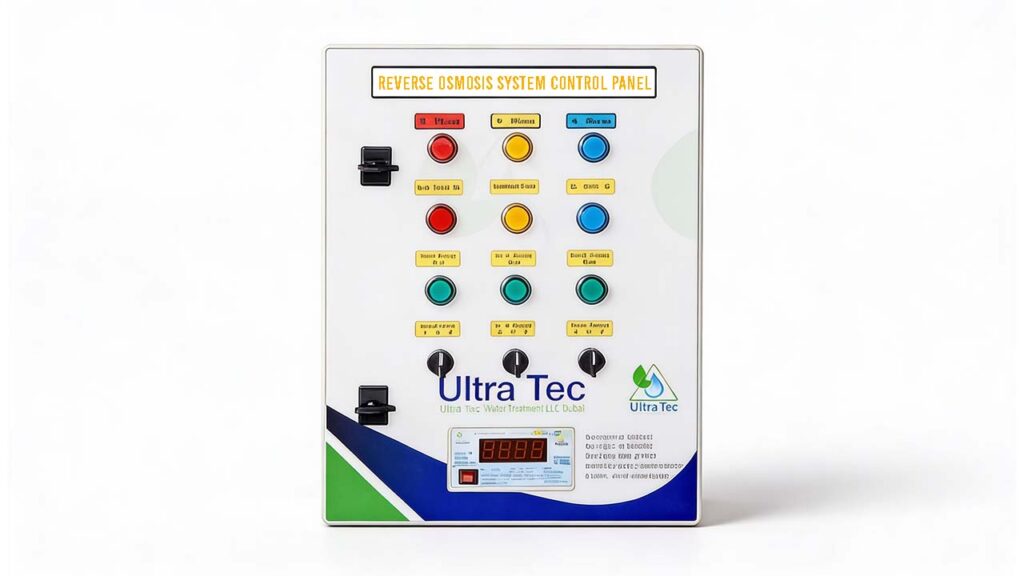
All reverse osmosis (RO) feed waters are different in ionic composition. As a result, different types of scale may deposit on the membranes if the correct antiscalant is not used. Selecting the right antiscalant and cleaning chemicals will optimize operating efficiency and help to prevent plant failure.
Specifications
Designed for reverse osmosis membrane protection
Controls scale formation from calcium, sulfate, and silica
Suitable for industrial and commercial RO systems
Resin
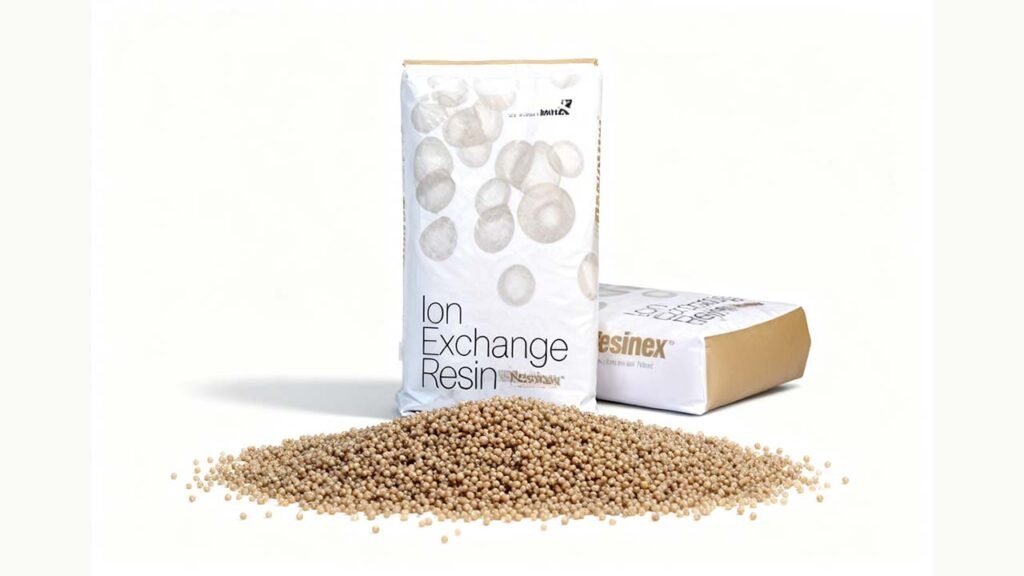
An ion-exchange resin is ion-exchange polymer is a resin or polymer that acts as a medium for ion exchange. It is an insoluble matrix (or support structure) normally in the form of small (0.5–1 mm diameter) micro beads, usually white or yellowish, fabricated from an organic polymer substrate. The trapping of ions occurs along with the accompanying release of other ions, and thus the process is called ion exchange.Most commercial resins are made of polystyrene sulfonate. Mixed bed resins or mixed bed ion exchange resins are mainly used in the water purification industry for polishing process water to achieve de mineralized water quality just after a reverse osmosis system.
Specifications
High capacity ion exchange polymer resin
Used for water softening and deionization systems
Suitable for industrial and commercial water treatment
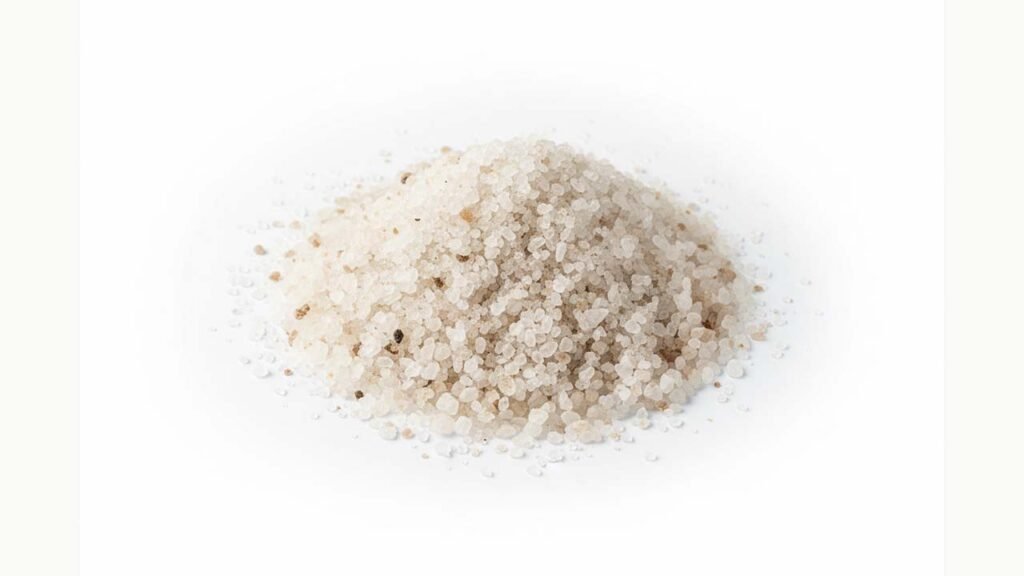
Water Softener Salt
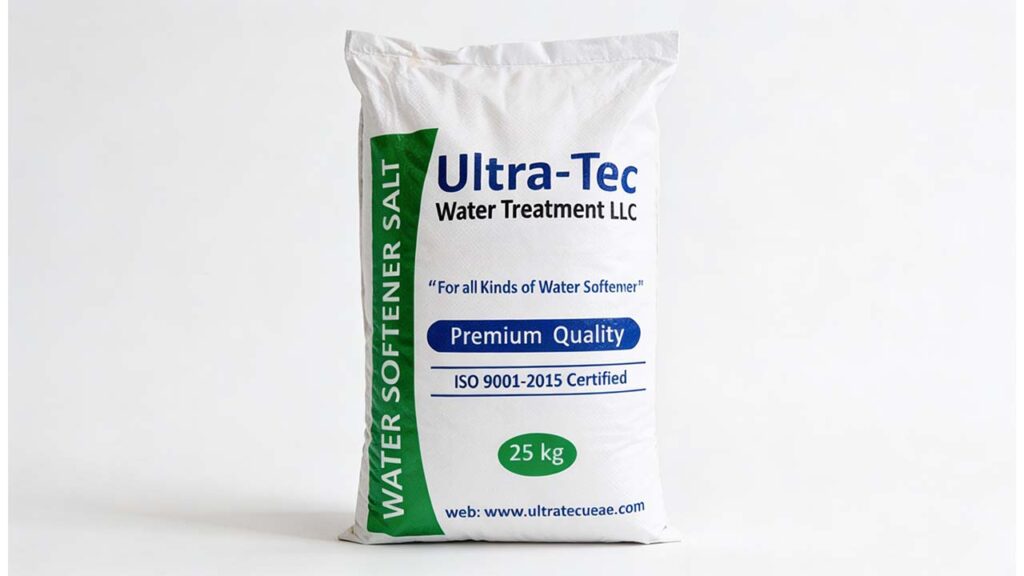
The salt used in the brine tank of a water softener does not directly soften the water, but is used to regenerate the resin beads in your water softener. These actually soften the water from your well by removing the hard water ions, calcium, magnesium and iron.
Specifications
High purity sodium chloride regeneration salt
Used in automatic water softening systems
Maintains efficient resin regeneration cycles
Sand
Sand filters are used as a step in the water treatment process of water purification. There are three main types: rapid (gravity) sand filters, upward flow sand filters and slow sand filters. All three methods are used extensively in the water industry throughout the world. The first two require the use of flocculant chemicals to work effectively. Slow sand filters on the other hand produce very high quality water free from pathogens, taste and odor without the need for chemical aids.Sand filters can apart from being used in water treatment plants, be used for water purification in swimming pools and for treating septic tanks for households as they use materials which are available for most people.c
Specifications
High purity silica filtration sand
Used in sand filters and multimedia filters
Effective for removal of suspended solids
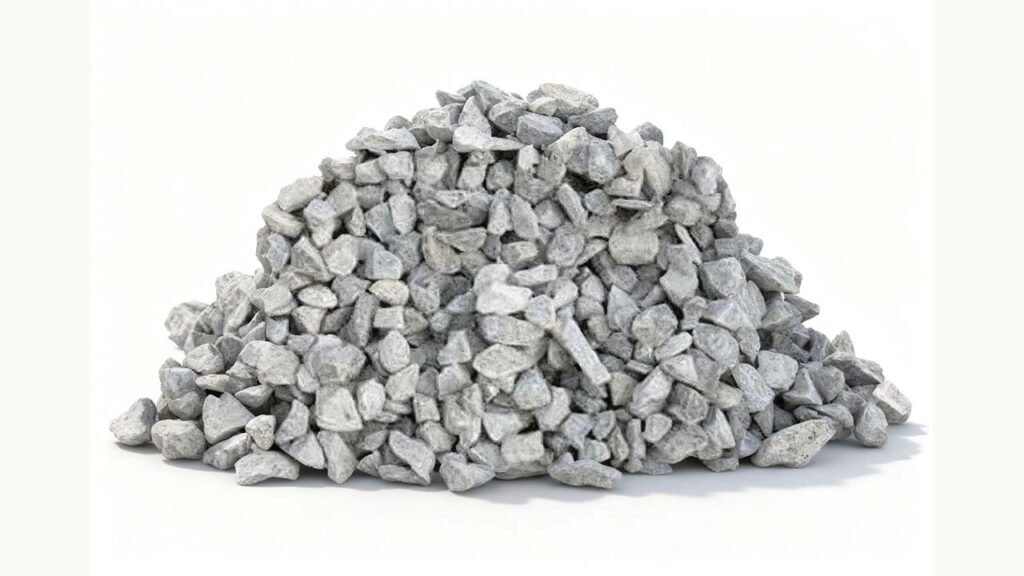
Gravel
Filter gravel is used as a support media to filter sand and coal in water filters. For maximum efficiency, filter gravel must possess the necessary attributes of hardness and be rounded rather than angular. Filter Gravel is a hard, round, predominantly quartz aggregate. The filter gravel, like filter sand, contains hard durable particles with a slow breakdown rate. This helps to prolong filter media life.
Specifications
High density support gravel media
Used as underbed support in filtration systems
Improves filtration flow distribution
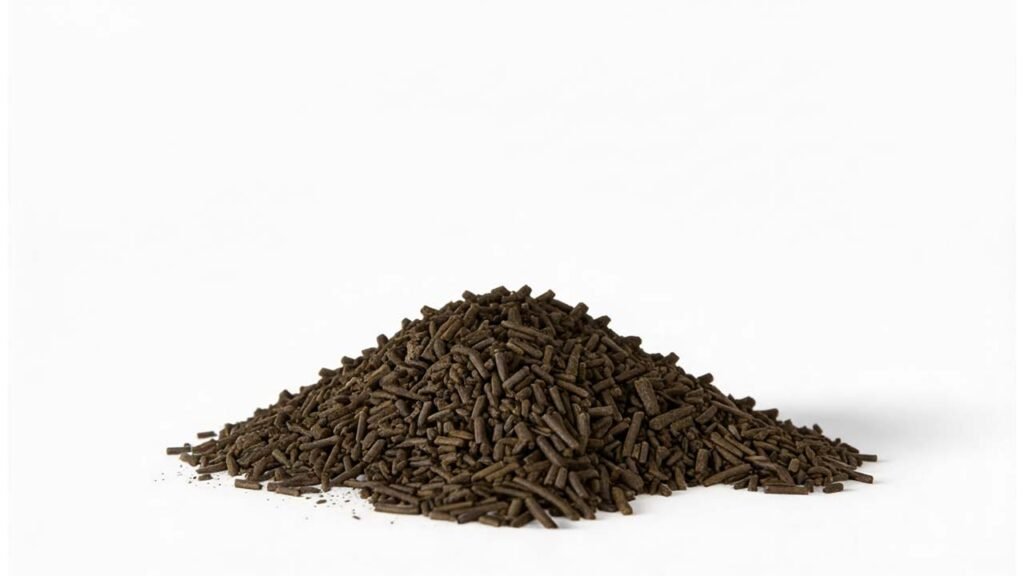
Activated Carbon
Carbon filtering is a method of filtering that uses a bed of activated carbon to remove contaminants and impurities, using chemical adsorption. Activated carbon works via a process called adsorption, whereby pollutant molecules in the fluid to be treated are trapped inside the pore structure of a carbon substrate. Carbon filtering is commonly used for water purification, in air purifiers and industrial gas processing, for example the removal of siloxanes and hydrogen sulphide from biogas. It is also used in a number of other applications, including respirator masks, the purification of sugar cane and in the recovery of precious metals, especially gold. It is also used in cigarette filters.
Specifications
High surface area activated carbon media
Removes chlorine, odor, and organic contaminants
Used in carbon filters and RO pretreatment systems